Preventing Perimenopause Bladder Troubles
Does Menopause Cause Urinary System Incontinence?
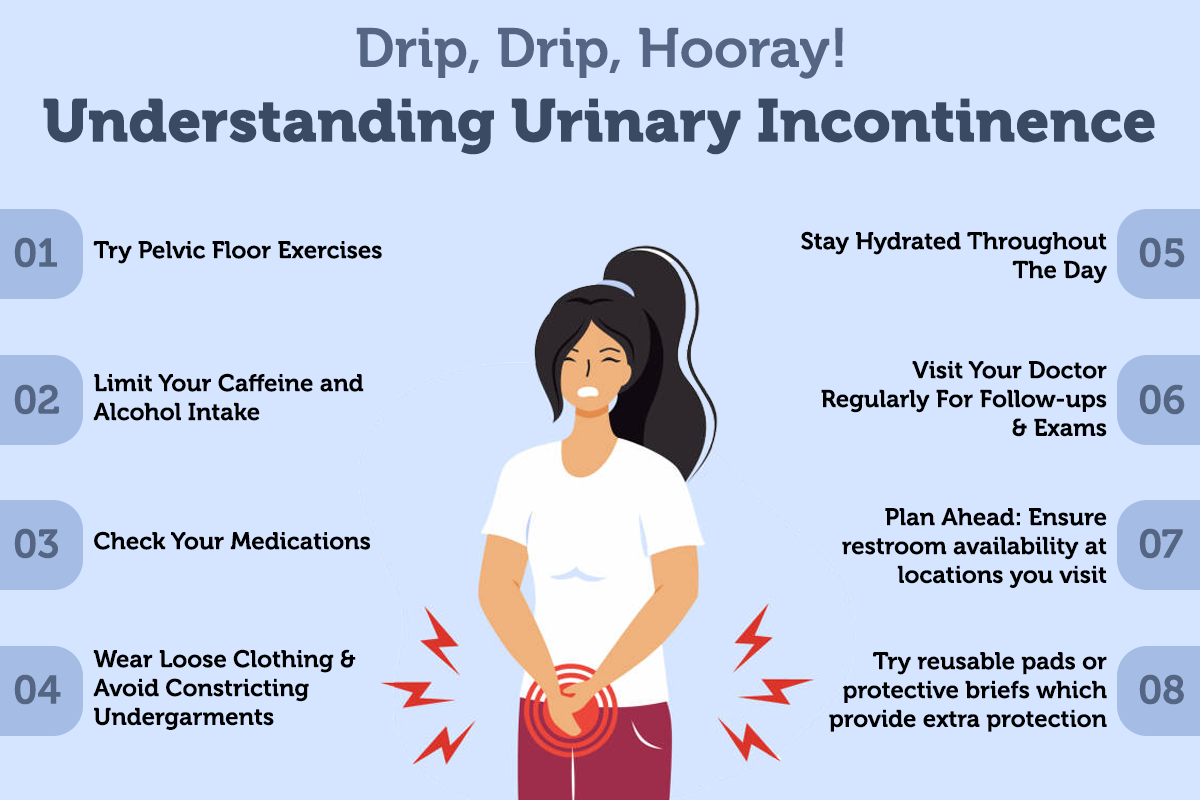
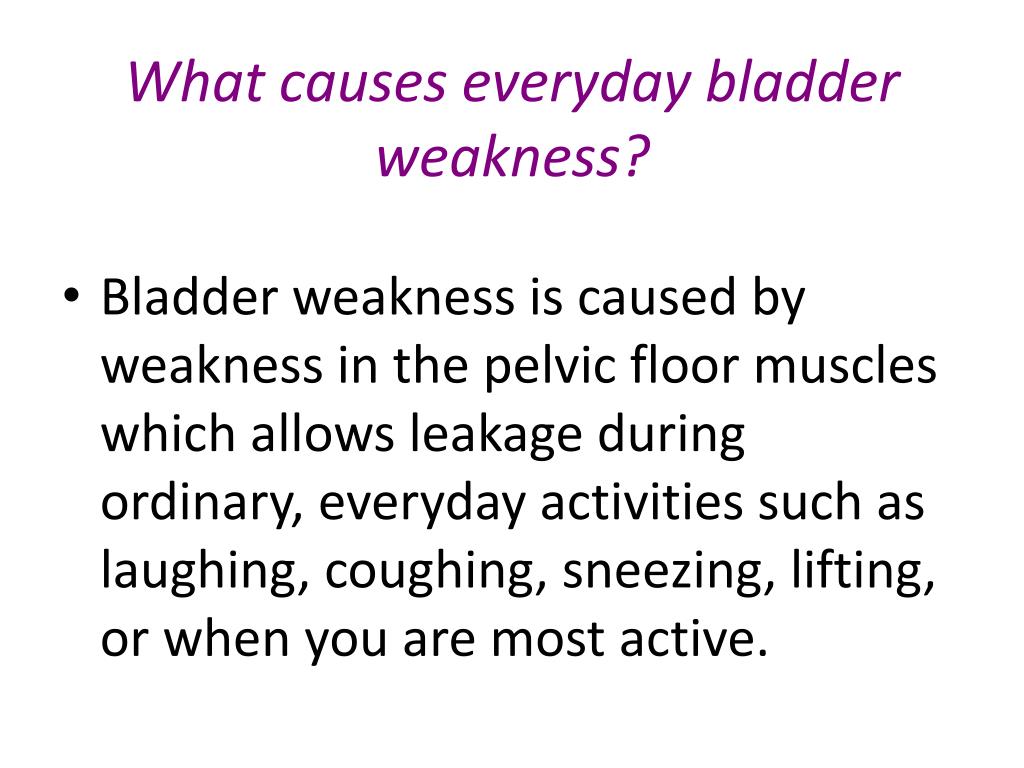
Because pelvic floor weak point naturally takes place as you age, ladies experiencing perimenopause are more probable to leakage urine during this moment. Pelvic floor exercises, frequently called Kegel exercises, help reinforce the muscular tissues that sustain the bladder and urethra. Some women may likewise take advantage of dealing with a pelvic floor physiotherapist. Doing so can assist you much better target the best muscular tissues and create a much more targeted program for your requirements. This involuntary loss of urine can occur when stress is placed on the bladder and urethra, like when you laugh, coughing, sneeze, or exercise.How Does Childbirth Reason Urinary System Incontinence?
Also if your UI is irreversible, you can take steps to far better enhance your monitoring of your signs. For instance, you can check your neighborhood pharmacy for absorbent pads and safety undergarments for grownups with UI. A lot of these items are thin and very easy to use under your clothing, without anybody discovering.
Find An University Hospital
The research study makes consisted of five cross-sectional evaluations [11,15-17,19], four retrospective accomplice research studies [10,13,18,20], one quasi-experimental investigation [12], and one potential mate study [14] Geographically, 2 Giggle incontinence researches were conducted in Australia [10,18], 2 in the USA [13,16], and one each in India [11], Egypt [12], Thailand [14], Spain [15], Japan [17], China [19], and Belgium [20] You might need to proceed doing Kegel exercises for the remainder of your life. Also if your signs boost, urinary incontinence can return if you quit doing the exercises. Any kind of weak point or damage to the urethra in a lady is more probable to cause urinary system incontinence. This is because there is less muscle mass keeping the urine in up until you prepare to pee.Nerve damages can disrupt signals from Continence specialist your bladder to your mind so you do not experience need to urinate. If you have menopause along with among the list below problems, your threat of creating UI boosts. Prompt Incontinence is much more pronounced and creates females to lose control totally or too swiftly. They feel the urge to go fairly all of a sudden and are not able to reach a shower room in time.
The dependence on self-reported information in many cases may result in under- or over-estimation of UI frequency. Furthermore, the lack of standardization in exactly how UI is defined and gauged throughout populaces makes it tough to compare outcomes straight. Some research studies also had tiny example sizes or were restricted by geographical or social aspects, which could impact generalizability. By aggregating data drawn out from relevant research studies, summary tables were constructed to offer a qualitative synthesis of research findings and crucial elements. Upon completing information collection for the systematic review, the most efficient approach for evaluating and utilizing the info from the included research studies was determined. Your medical professional or nurse will certainly do a physical examination to seek indications of health issue that can create incontinence.The Function Of Natural Supplements In Bladder Assistance
- Taking care of urinary incontinence may require time, yet with the right assistance and care, lots of people find real relief.
- Menopause is defined as the 12consecutive months without your duration, decrease in ovarian feature, and a reduction inestrogen levels.
- However, in many cases, your UI may be irreversible or difficult to deal with.
- Imaging examinations, such as ultrasounds or MRIs, might be utilized to inspect the bladder, prostate, and kidneys.
For several women, easy day-to-day routine adjustments can help in reducing bladder leak and boost bladder control. Way of life modifications are often one of the very first treatment comes close to recommended for light to moderate urinary system incontinence. As estrogen degrees decrease with age or menopause, the tissues around the bladder and urethra may become slim, completely dry, or less versatile, minimizing the urethra's ability to stay completely shut.